


-
 Patty Wight/Maine PublicThe center will offer short term intervention for teens and adults who are experiencing a behavioral health crisis.
 -
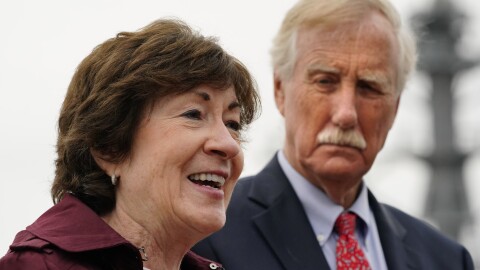 Robert F. Bukaty/AP fileU.S. Sens. Angus King and Susan Collins both voted Thursday to advance a proposed three-year extension of subsidies under the Affordable Care Act. The two were divided on a Republican plan that would have replaced the subsidies with health savings accounts.


-
 Independent Sen. Angus King has indicated that he supports the simple 3-year extension proposed by Democrats. But Republican Sen. Susan Collins is co-sponsoring a 2-year extension that would also impose income caps and require ACA users to pay at least $25 a month.
 -
 The pause is the result of city councilors' concerns about improperly discarded syringes.
 -
 A federal grant will help create a new two-track certification program by August 2026. University officials say those certified will know how to recognize opioid disorders, treat them with medication and address stigma around addiction.
 -
 Maine long term care ombudsman Brenda Gallant says higher staff levels improve both patient care and worker retention.
 -
 A federal judge in Maine has rejected a request by the state and the U.S. Department of Justice to alter a settlement agreement intended to improve behavioral health care for children.
 -
 Fifty-two unhoused residents used the warming space at 166 Riverside Thursday. The city used two shuttle buses to bring them to the warming shelter.
 -
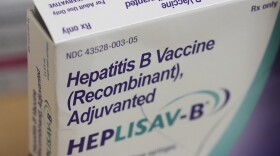 The U.S. CDC's Advisory Committee on Immunization Practices says parents should consult with their doctors about the hepatitis B vaccine, and those who want to delay should wait until babies are at least two months old.
 -
 The executive director of the Bicycle Coalition of Maine, Andrew Zarro, says during a 10 day period last month, four pedestrians were killed in vehicle crashes.
 -
The Trump administration has also proposed eliminating the U.S. CDC's Division of HIV Prevention.
-
 Under the 340B program, eligible hospitals buy drugs at a discounted price in order to offset the cost of treating low income patients. The pilot program slated to begin in January would require providers to get rebates for select drugs instead of an upfront discount.


